
Is a Money Mindset Course Worth It? How to Measure Results Beyond “More Money”
Oct 29, 2026
A money mindset course can be worth the investment when it helps you build financial confidence, change unhelpful habits, and make choices that support your goals. Increased income is one possible outcome, but meaningful progress also includes peace, self-trust, receiving, and time freedom.
TL;DR — Is a Money Mindset Course Worth It?
I’d look for emotional and practical shifts from a money mindset course, not just a larger bank balance. Over 30 to 90 days, notice how you approach financial decisions, whether you go after opportunities, and if your new habits stick. An abundance course can support your inner work, but it can’t guarantee financial results.
Key takeaways:
- Money mindset progress includes confidence, peace, and better financial habits.
- Earning more money is possible, not promised.
- Receiving can mean accepting support, opportunities, and fair compensation.
- A 30-, 60-, and 90-day review makes growth easier to measure.
- Inner work works best alongside informed, consistent financial action.
Click here to add us as a preferred source to see more relevant information from The Feminine Glow.
Welcome Beautiful!
When you invest in yourself, naturally, you want to know what you'll get out of it. I understand that. But what if the first change isn't your bank balance? What if it's how you feel when you check that balance, ask for fair compensation, or decide what's right for you?
Those changes deserve to be noticed.
What Does Return on Investment Mean for Money Mindset Work?

Return on investment for money mindset work means comparing a program's cost and time commitment with the emotional and behavioral progress you can observe.
The Consumer Financial Protection Bureau describes financial well-being in terms of security and freedom of choice, including control over everyday finances and progress toward goals.
I love that financial well-being includes how it actually feels to live with money. You could earn more and still worry constantly about losing it. Or earn the same amount while feeling more organized and confident.
Your financial circumstances deserve attention, and so does your relationship with money. Your money beliefs can evolve across life stages, as I explain in my guide to money mindset at different life stages.
Are You Feeling More Peaceful About Money?
Financial peace means being able to face your circumstances without automatically avoiding them. It doesn't mean never being concerned about bills.
Maybe you used to dread opening your banking app. Now you can review your balance, understand expenses, and choose a next step.
Rate your financial peace from one to ten each week. Note what triggered discomfort and how you responded. Meeting your numbers with clarity instead of shame is meaningful progress.
Are You Making More Confident Decisions?
Financial confidence means trusting yourself to evaluate options, ask questions, and follow through instead of constantly seeking approval.
Maybe you negotiate your pay, compare financial offers, or skip an expense that doesn't fit your priorities.
Confidence doesn't mean taking unnecessary risks to prove you're abundant. Sometimes your strongest choice is to wait, save, or get professional advice.
Write down one choice each week that reflects your values.
Are You Becoming More Comfortable Receiving?
Receiving means accepting appropriate support, recognition, opportunities, and compensation without minimizing your needs.
Maybe you used to brush off compliments, turn down help, or apologize for your professional rates. Now you can say “Thank you” or share your price without overexplaining.
I want you to understand that receiving doesn’t make you helpless. You can be independent and capable while still being open to support.
Are You Acting on More Opportunities?
Opportunity growth means recognizing possibilities aligned with your goals and taking reasonable action.
You might apply for a promotion, request a referral, or explore an idea you've postponed. Record each opportunity, your action, and the response.
Don't confuse noticing an opportunity with securing an outcome. Both the attempt and the result deserve a place in your notes.
Are Income and Time Freedom Improving?
Income growth is one practical outcome. Time freedom is the degree of choice you have in how you spend your days.
Record actual earnings, savings, expenses, and outstanding debt. Also ask whether you are setting healthier work boundaries and protecting personal time.
Not every income increase comes from mindset work alone. Identify the practical actions and circumstances that contributed to your results.
How Can You Measure Money Mindset Results Over 30 to 90 Days?

A 30-to-90-day assessment helps separate a burst of motivation from changes you can maintain.
Days 1–30: Establish a Baseline
Record income, fixed expenses, savings, and debt obligations. Rate financial peace, confidence, and willingness to receive from one to ten.
Identify two beliefs you want to question. Choose one practical habit, such as reviewing your budget every Friday.
Days 31–60: Practice New Behaviors
Repeat your habit. Notice financial conversations you approach instead of avoid. Record opportunities you pursue and boundaries you honor.
Practice accepting genuine help or compliments without apology. Observe old patterns without criticizing yourself.
Days 61–90: Review Your Progress
Compare your numbers and ratings with the starting point. Has your spending become more deliberate? Are you following through more consistently? If income changed, what actually contributed?
The FDIC's Money Smart program teaches tracking income and expenses, creating spending and saving plans, and setting goals. Those practical skills complement abundance inner work.
What Should Your Progress Tracker Include?

A simple money mindset tracker can use five monthly questions:
- How peaceful and confident do I feel about money, from one to ten?
- What financial conversation or task have I stopped avoiding?
- Which opportunities have I actively pursued?
- What changed in income, expenses, savings, or debt?
- Do my decisions better reflect my values and time priorities?
Answer honestly, including during difficult months. You're looking for patterns, not perfect scores.
When Is a Money Mindset Course Not Worth It?

A money mindset course may not be right for you when paying for it would threaten essential bills, increase unmanageable debt, or delay professional financial support.
It's also not the right fit if you expect a guaranteed income increase without practical action. Look at the curriculum, community, learning format, and your actual capacity to participate.
Choosing not to enroll right now can be an aligned financial decision.
FAQs About Money Mindset Course Results

Can a Money Mindset Course Help You Earn More?
A course may help you negotiate, network, identify opportunities, and communicate your value with confidence. Actual earnings depend on skills, market conditions, and follow-through. No mindset course can promise a specific income.
How Quickly Can Your Relationship With Money Change?
You may notice greater awareness within weeks, while lasting habits require continued practice. A 90-day review is a checkpoint, not a deadline. Focus on consistent behavior rather than expecting an overnight breakthrough.
Is Confidence More Important Than Financial Growth?
Confidence and financial growth serve different purposes. Confidence supports decisions, while savings, manageable expenses, and reliable income contribute to security. Ideally, your inner work and practical money management strengthen one another.
Summary: Measure the Woman You're Becoming

The real value of abundance work isn't only a bigger number in your bank account. It's greater self-trust, healthier choices, and a more peaceful relationship with money.
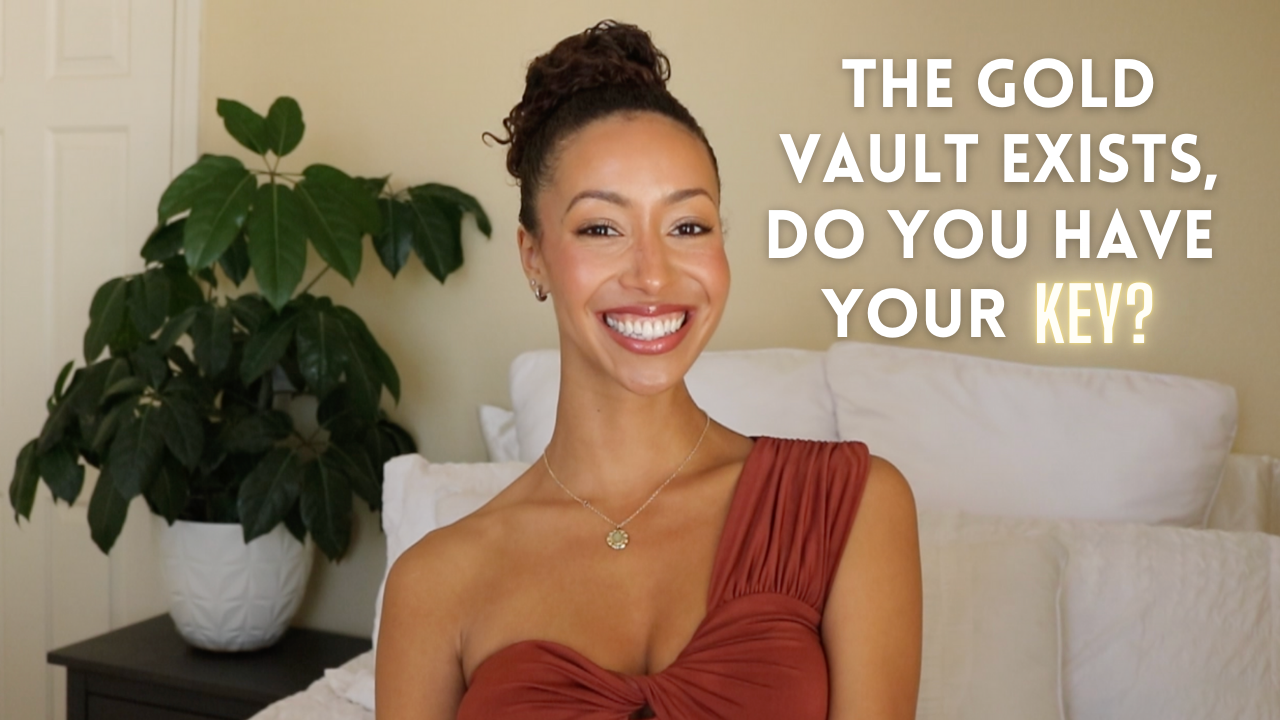
If you're ready to explore wealth identity, abundance beliefs, and receiving on a deeper level, I invite you to discover The Gold Vault at The Feminine Glow.
Begin your journey when you feel ready, Beautiful.
With love,
Alexis
View The Entire Collection
See all our blog posts on business, feminine energy practices, and designing a life you love.